

Datiloni
Kindle | Hardcover | Paperback
About 2.5 hours of reading
BuyKindle | Hardcover | Paperback
About 2.5 hours of reading
Buy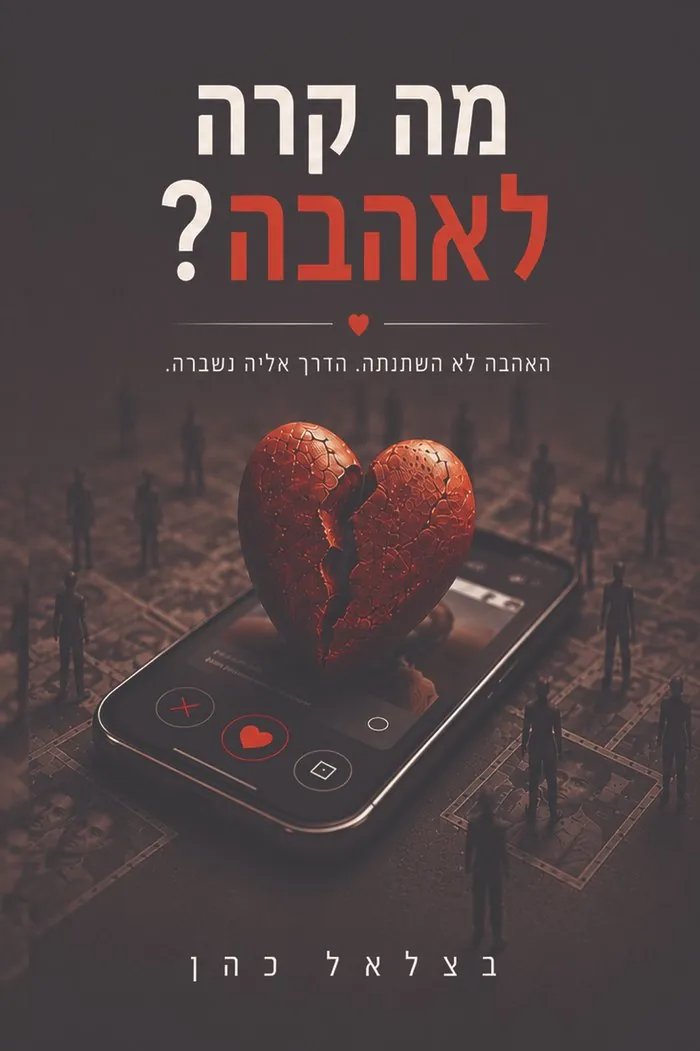
Kindle | Hardcover | Paperback
About 2 hours of reading
Buy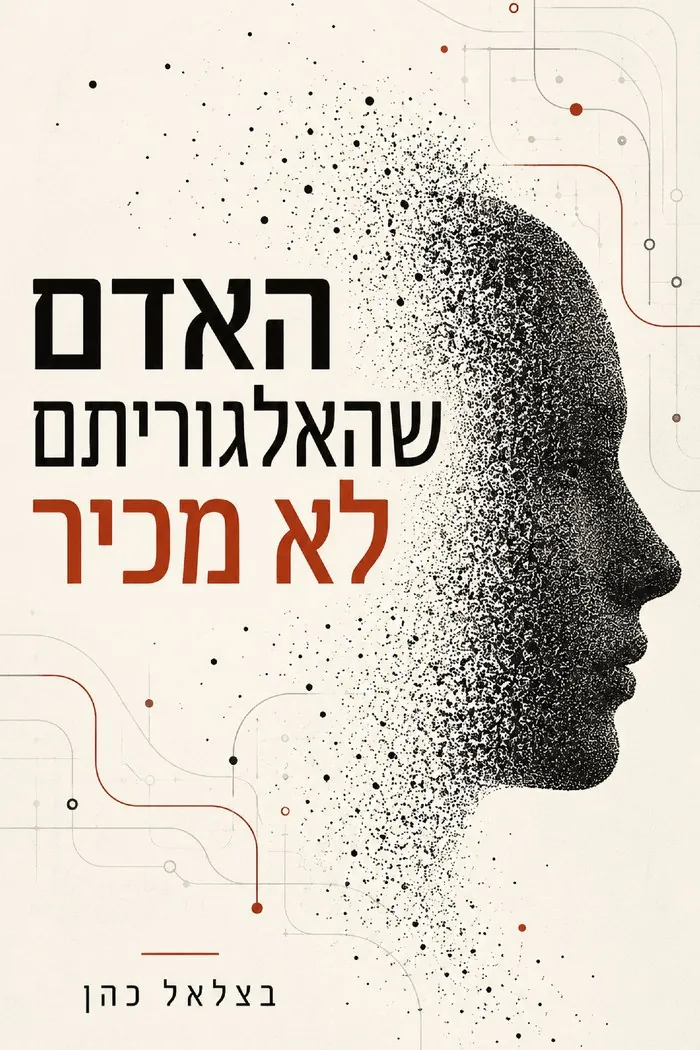
27.01.2027
Launch
Get chapter one
About 2.5 hours of reading · a one-evening book
Not between religious and secular. Between who I was and who I choose to be.
Datiloni is my personal story: growing up in the ultra-Orthodox world, the questions that started quietly and grew louder over the years, and the moment I realized I had to go out and find the answers myself.
It's a book about the road between two worlds, about the loves, successes and falls along the way, and about the price and the gift of choosing who you are. It doesn't judge either side; it tries to understand. And maybe, along the way, you'll find a little of your own story in it.
About 2 hours of reading · a one-evening book
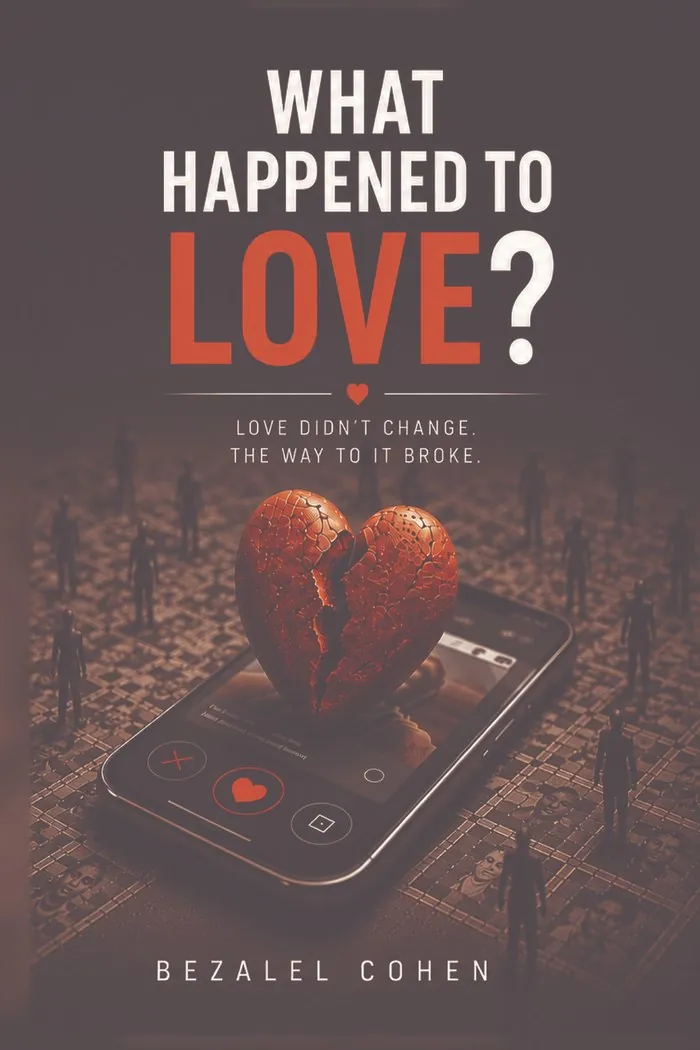
Love didn't change. The way to it broke.
What Happened to Love? is an honest, funny and painful look at dating today: apps, endless options, constant comparison and the fear of missing out on something better.
Through my own story and the dates along the way, the book asks why it's harder than ever to choose just when we have more choice than ever. It's not another dating guide. It's a mirror, and a reminder that love itself hasn't disappeared, only the way to it.
The books
What Happened to Love?
Datiloni
The Person the Algorithm Doesn't Know
What Happened to Love?
Datiloni
The Person the Algorithm Doesn't Know
What Happened to Love?
Datiloni
The Person the Algorithm Doesn't Know
The books
Datiloni
The Person the Algorithm Doesn't Know
Datiloni
What Happened to Love?
Tap a video to watch it full screen · Share to Instagram, TikTok or Facebook
התחלתי לקרוא כי הסתקרנתי מהסיפור האישי, אבל מהר מאוד הבנתי שזה הרבה מעבר לסיפור על דת וחילוניות. זה ספר על זהות, על משפחה ועל הניסיון להבין מי אתה כשאתה מפסיק ללכת במסלול שמישהו אחר בנה עבורך. היו כמה קטעים שממש גרמו לי לעצור ולחשוב על החיים שלי.
I thought this would be another book about dating apps. It wasn't. The apps are really just the starting point for a much bigger conversation about choice, commitment and why having more options doesn't necessarily make us happier.
הדבר שהכי אהבתי הוא שהספר לא מנסה לשכנע אותך בצד מסוים. הוא פשוט נותן לך להיכנס לראש של אדם שנמצא במסע. יש בו הרבה כנות, גם במקומות שלא תמיד קל להודות בהם. סיימתי את הספר עם תחושה שאני מכירה את בצלאל קצת יותר, ובעיקר חושבת קצת יותר על עצמי.
זה הספר הראשון שקראתי על עולם הדייטינג שהצליח להסביר לי משהו שהרגשתי כבר הרבה זמן אבל לא ידעתי לנסח. יש היום יותר אפשרויות מאי פעם, אבל איכשהו הבחירה עצמה הפכה קשה יותר. פתאום הרבה מהחוויות שלי באפליקציות התחברו.
What surprised me most was how universal the story felt. I expected a book about religion and secular life, but I found a much deeper story about identity, family, freedom and the difficult process of figuring out who you want to become.
אהבתי במיוחד שהספר לא נופל למלכודת של ׳הגברים אשמים׳ או ׳הנשים אשמות׳. הוא מנסה להבין מה קורה לכולנו בתוך מערכת שהשתנתה. היו מקומות שהרגשתי שמישהו סוף סוף כתב את המחשבות שאני בעצמי חושבת אחרי דייט.
הפרק על ׳הדרך השלישית׳ נשאר איתי הרבה אחרי שסיימתי את הספר. לפעמים אנחנו בטוחים שאנחנו חייבים לבחור בין שתי אפשרויות, רק כי ככה לימדו אותנו לחשוב. הספר הזכיר לי שאפשר גם לעצור, להטיל ספק ולבנות לעצמך דרך חדשה.
Funny, honest and surprisingly thoughtful. I especially enjoyed the way the author connects everyday dating experiences with bigger questions about human behavior. It made me laugh in some places and made me uncomfortable in others, which is probably why I kept thinking about it after finishing.
הפרק על פרדוקס הבחירה תפס אותי במיוחד. תמיד חשבתי שיותר אפשרויות זה דבר טוב. אבל הספר גרם לי לחשוב על הפעם האחרונה שבה באמת בחרתי במישהו בלי להמשיך לבדוק אם אולי יש משהו טוב יותר מעבר לפינה. זאת מחשבה שלא עזבה אותי.
There is something very honest about this book. It doesn't pretend that every question has an answer. Instead, it shows what it means to live with questions and still keep moving forward. I found myself thinking about my own choices while reading it.
קראתי את שני הספרים בהפרש של כמה חודשים, ורק אחר כך הבנתי כמה הם מתחברים. הראשון שואל מי אנחנו, והשני שואל את מי אנחנו בוחרים. בשניהם יש משהו מאוד אישי שהופך מהר מאוד לשאלה הרבה יותר גדולה. זאת כנראה הסיבה ששני הספרים נשארו איתי.
Read one of the books? A short review on Amazon helps the next reader find it.
From the books
You can leave a place. You can't leave yourself.
The heart wasn’t built for infinite options. It was built for people.
Real questions don't disappear. They just wait. They wait until you're brave enough to listen to them.
Most relationships don’t crash because of what we discovered. They crash because of what we invented.
We already live in a world that serves us answers before we’ve even had time to form the questions.
Life, at least as I've met it, never asked me to choose a side. It asked me to build a bridge.
Dependence says: I can’t stand without you. Love says: I can stand on my own, but I want you beside me.
Sometimes the most dangerous dreams are the ones that come true.
Maybe nothing happened to love. Maybe we just forgot how to be inside it.
If a system knows what I do, does that mean it knows who I am?
Sometimes a person stays in a place for years after he has already left it.
When you live with the feeling that something better is always waiting, it’s very hard to fall in love with what’s already in front of you.
Maybe real freedom isn’t doing the opposite of what you were told. Maybe real freedom begins the moment it no longer matters what they said.
Human beings turn into options, and options are easier to replace than people.
Comfort turns from a bridge to the world into a fence around it.
What if life isn’t a journey of finding yourself, but a journey of building yourself?
Real fears don’t come and say: “Hello, I’m fear.” They come disguised as logic.
Money can buy freedom, but it can’t create meaning.
Before it is not good for man to be alone, it’s very important that a man know how to be alone.
You can spend a whole evening with twenty people and come home lonely. You can spend a whole day alone and feel more connected to yourself than ever.
A place where you can love your roots without being buried under them, and spread your wings without forgetting where you learned to fly.
Not to stop wanting love, but to stop demanding that it save you.
Happiness is the moment a person stops running from himself.
Maybe there are people whose beauty isn’t the first thing you see, but the last thing you discover.
I want to believe that the person I am today isn’t just the sum of everything I’ve done so far, but also the possibility of doing something completely different tomorrow.
The greatest courage isn’t leaving one world for another. The greatest courage is building a path of your own.
You can get hurt without concluding you shouldn’t have loved.
You can leave a home. You can’t leave the people who built you. You can run from the past. But the past always finds a way into your suitcase.
There are moments when the truth walks into the room before the lie even finishes speaking.
Do we want to keep being the person we were yesterday just because he’s easier to predict?
Not because we were bad kids, but because we were hungry kids.
Love doesn’t live only in the big moments. It doesn’t reside only in vacations, birthdays, or the pictures people post on Instagram.
Life is divided between people who wait for someone to build them, and people who pick up one brick at a time and start building themselves.
I loved that there was a person in the world who saw you as you really are and still chose to stay.
Do I want this, or am I just used to wanting it?
Even when you run away from a place, it can still keep dictating your direction.
Not everyone who keeps searching is still looking for love.
Sometimes it’s exactly in the moments when everything cracks that we first see what we’re really made of.
Maybe there are things you can only meet when you stop chasing them.
You can’t build a whole life out of trying to avoid every surprise.
Compassion is one of the highest forms of love.
The other room always looks more tempting. But life isn’t really in the other room.
The moments that really changed me weren’t the ones when everything fell into place, but the ones when everything fell apart.
Our hearts don’t know how to build selective walls. They don’t know how to block only pain and leave the door open for love.
The profile can describe the person I’ve been until today. It just shouldn’t get the final word on the person I’m yet to become.
We insist on understanding life in real time, even though it always reveals its meaning late.
Maybe love is exactly that: agreeing to enter something without knowing how it’ll end.
Maybe the most interesting thing that could happen to us is exactly the thing that doesn’t fit the profile.
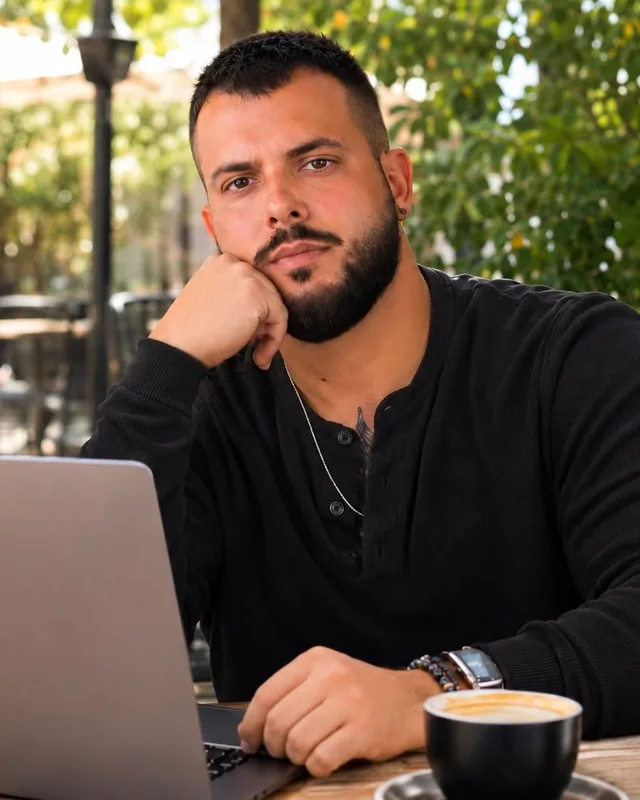
About me
Every one of my books started with a question that wouldn't let me sleep.
My story as a writer was born on vacation, on a beach. I sat alone, phone in hand, scrolling until there was nothing left to scroll. So I put it down. Nothing to look at, no one to talk to. Just me, the sea and a notebook.
So I asked myself a simple question: what is the first thing I remember? I wrote down the answer. Then the memory after it, and the one after that. By sunset I understood I wasn't writing a list. I was writing a story, and its main character was someone I didn't really know yet.
It wasn't my first attempt at writing. For years I wrote for myself: goals, plans, and sometimes my day as a story, as if I were watching myself from the back row of a theater. But this time was different. That notebook became Datiloni, my first book.
The hardest part wasn't the writing. It was letting go. Knowing that thoughts that had been only mine, and a past I hadn't always talked about out loud, were about to land in the hands of strangers. But the moment I hit "publish", something opened up. It hasn't stopped since.
Or at least I tried to find it. My second book was born where we all spend too much time: the apps. Dates, swipes, conversations that end in "haha" and silences that last for weeks. What Happened to Love? is an honest, and sometimes pretty funny, conversation that tries to understand why now, when you can meet anyone, it is so hard to truly know someone.
SoonAnd the third, coming soon: The Person the Algorithm Doesn't Know asks what the systems around us know about us, and what they miss. There's something circular about it. My first book was born the day I put my phone down, and now I'm writing a whole book about what the phone doesn't know about us.
I write at night. Calm music, and Jesse, my dog, resting his head on my leg, convinced he's helping. Maybe he's right. When I get stuck on a line, I ask whoever is next to me to read the chapter out loud. I stroke my beard, listen with a focus I never reach on my own, and then, boom. It comes.
Between a routine that sweeps me along and hobbies that keep changing, I always find something new to try. That's what keeps me curious, and usually leaves me with something to write about.
If there's one thread running through all my books, it's the question of who we are when we take off the rules the world set for us. Every situation can be seen from more than one angle, and the art is choosing the one that's right for you.
And if after closing one of my books you laughed somewhere in the middle, or saw something you were stuck on a little differently, then that notebook from the beach did its job.
Bezalel Cohen
Coming soon · the new book
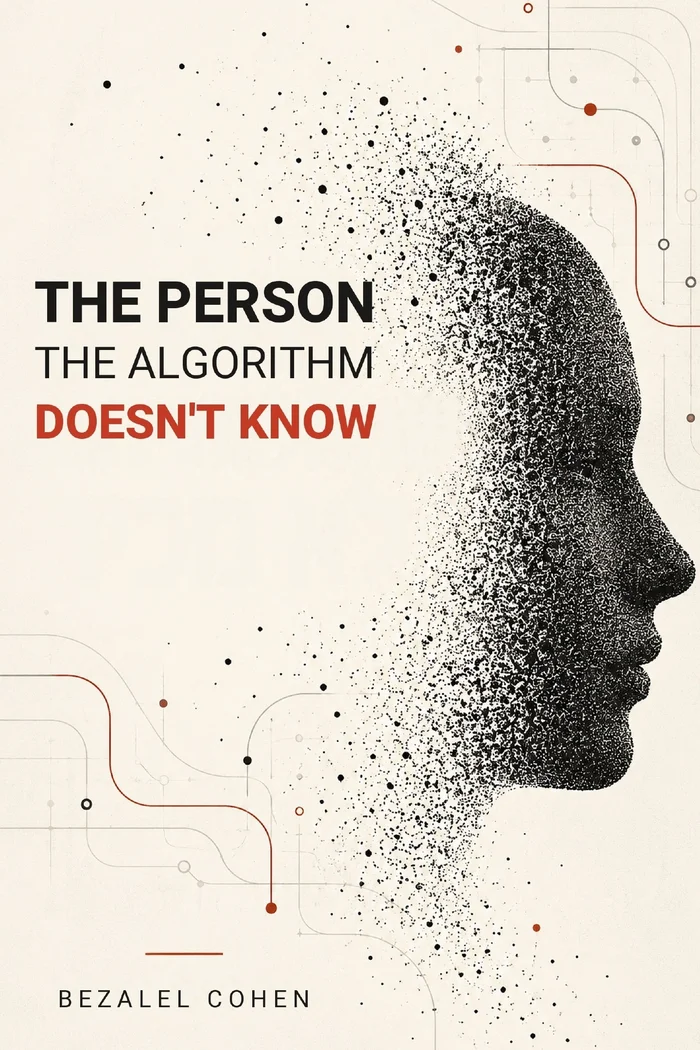
What does the algorithm know about you? What is it looking for? And what is it missing?
A personal, funny and honest journey through technology, psychology and society: how apps, social networks and digital systems shape the way we meet, communicate, work and live, and how, in the middle of all this, we risk losing what is most human in us.
More about the book →Launch date: January 27, 2027
דתילוני | פתיחה
יש ספרים שנכתבים כדי ללמד, ויש ספרים שנכתבים כדי לשכנע.
ויש ספרים שנכתבים כדי להבין. הספר הזה שייך לסוג השלישי.
זה אינו ספר על דת. והוא גם אינו ספר על חילוניות.
זהו סיפור על אדם שנולד לעולם אחד, יצא לעולם אחר, ובמשך שנים ניסה להבין לאיזה מהם הוא שייך.
בדרך הוא פגש אנשים ששינו אותו, אהבות שעיצבו אותו, הצלחות שסינוורו אותו, כישלונות שהחזירו אותו לקרקע, ושאלות שלא תמיד מצאו תשובות.
חלק מהשמות והפרטים בספר שונו כדי לשמור על פרטיותם של האנשים המופיעים בו.
כל השאר אמיתי.
ואולי, בסופו של דבר, זה לא רק הסיפור שלי. אולי זה גם קצת הסיפור שלך.
בצלאל כהן
יש זיכרונות שנשארים איתך לא בגלל מה שקרה בהם, אלא בגלל הריח שלהם.
אני יודע שזה נשמע מוזר, אבל אם הייתם מבקשים ממני לחזור היום אל הילדות שלי, לא הייתי מתחיל בתמונות, לא בשמות של מורים, לא בחברים מהשכונה ואפילו לא בבית שבו גדלתי. הייתי מתחיל בריח.
ריח של דיו, ריח של קלף, ריח של קפה שחור, וריח של סיגריות מלבורו לייט.
זה היה הריח של אבא.
עד היום, בכל פעם שאני נתקל בריח דומה, משהו בתוכי עוצר. לא הראש. הלב. כאילו הילד שהייתי עדיין מסתתר באיזו פינה חשוכה של הזיכרון, מרים לרגע את הראש ולוחש: "הנה, חזרנו הביתה."
החדר של אבא היה מתחת למדרגות הבית. לא משרד. לא חדר עבודה.
לא מקום שמישהו היה מצלם למגזין עיצוב.
חדר קטן, צפוף, כמעט נסתר מהעין. חדר שבקושי היה בו מקום לשולחן, לכיסא, לארון ספרים קטן ולאדם אחד שניסה להחזיק על כתפיו משפחה שלמה.
כילד הייתי נכנס לשם לפעמים בלי סיבה אמיתית. רק כדי להיות לידו. רק כדי לראות אותו עובד. רק כדי להרגיש את התחושה המוזרה הזאת, התחושה שהכול בסדר כל עוד אבא נמצא שם.
קרני השמש היו חודרות דרך החלון הקטן וחותכות את עשן הסיגריות לקווים דקים ומרחפים. על השולחן היו מונחים קלפים, קולמוסים, בקבוקוני דיו וספרים פתוחים. הקפה השחור היה עומד לידו כמעט תמיד, כאילו היה חלק בלתי נפרד מהציוד.
אבא היה יושב כפוף מעט קדימה, מרוכז לחלוטין באות הבאה.
היה משהו כמעט מהפנט באופן שבו כתב. כל תנועה הייתה מדויקת.
כל אות קיבלה את מלוא תשומת הלב. כאילו העולם כולו הצטמצם באותו רגע אל קצה הקולמוס.
כילד לא הבנתי את גודל הדבר. חשבתי שאבא פשוט עובד.
רק שנים אחר כך הבנתי שהוא לא כתב מילים.
הוא כתב מזוזות שייתלו בבתים של אנשים אחרים.
הוא כתב תפילין שילדים יניחו בבוקר בר המצווה שלהם.
הוא כתב קדושה.
והדבר המדהים הוא שבזמן שכתב קדושה עבור אחרים, הוא נלחם את המלחמה היומיומית שלו עבורנו. כי כתיבת סת"ם לא הספיקה. לא למשפחה גדולה. לא לבית שבו כל שקל היה צריך להילחם על מקומו. ולכן אבא עשה כל עבודה שהחיים הניחו בדרכו.
בבוקר היה סופר סת"ם. בצהריים שיפוצניק. בערב מוביל. בלילה שוטף כלים בישיבות.
פעם מוכר בחנות פלאפל. פעם מתקן. פעם בונה. פעם מפרק.
ופעם פשוט עושה כל מה שצריך כדי שהבית ימשיך לעמוד.
בתור ילד לא ראיתי את ההקרבה. ילדים לא רואים הקרבה. הם רואים מציאות.
השמש זורחת. הגשם יורד. אבא עובד. ככה העולם עובד.
רק כשהתבגרתי התחלתי להבין.
התחלתי להבין כמה קשה צריך לעבוד כדי להחזיק משפחה גדולה.
כמה כוח צריך כדי לקום שוב ושוב גם כשעייפים.
כמה אחריות צריך לשאת כדי לדאוג שלילדים שלך יהיה אוכל, בגדים, בית וחיים טובים יותר מאלה שהיו לך.
היום, כשאני מסתכל עליו, אני לא מעריץ אותו בגלל ההצלחות שלו.
אני מעריץ אותו בגלל ההתמדה. בגלל היכולת לקום כל בוקר מחדש ולעשות את מה שצריך.
לא פעם. לא חודש. לא שנה. עשרות שנים.
יש אנשים שעושים מעשה גבורה אחד גדול בחיים.
ויש אנשים שבוחרים בגבורה הקשה יותר. הגבורה השקטה. הגבורה של השגרה.
אבא היה מהסוג השני. הוא לא היה אדם של חיבוקים גדולים או נאומים מרגשים.
הוא לא ישב איתי לשיחות ארוכות. הוא לא אמר "אני אוהב אותך" בכל הזדמנות.
אבל מעולם לא היה לי ספק שהוא אוהב. האהבה שלו הופיעה בצורה אחרת.
דרך הנוכחות. דרך המחויבות. דרך הידיעה שתמיד יש על מי להישען.
הייתה בו יציבות נדירה. מין שקט פנימי שגרם לך להרגיש שגם אם העולם כולו יתפרק מסביבך, הוא יישאר לעמוד. וכשאתה ילד, אין מתנה גדולה יותר מזה.
אם אבא היה השקט של הבית, אמא הייתה הכוח שהניע אותו.
אי אפשר היה לפספס אותה. גם כשהייתה שקטה. גם כשהייתה בחדר אחר.
גם כשהייתה עסוקה. הנוכחות שלה הייתה בכל מקום.
היא ידעה הכול. ראתה הכול. הבינה הכול. לפעמים אפילו לפני שקרה.
כילד הייתי בטוח שיש לה יכולות מיוחדות. לא משנה כמה ניסיתי להסתיר.
לא משנה כמה התחמקתי. לא משנה כמה סיפורים המצאתי.
בסוף היא ידעה.
היא תמיד ידעה.
רק שנים אחר כך הבנתי שלא היה שם קסם. הייתה שם אהבה. כי כשאוהבים מישהו באמת, לומדים לקרוא אותו. לומדים לזהות שינויים קטנים בקול.
מבטים קצרים. שתיקות ארוכות. לומדים לראות את מה שאנשים אחרים מפספסים.
ואמא ראתה הכול. לפעמים זה היה חונק. ולפעמים זה היה בדיוק מה שהייתי צריך.
היא אדם חזק. חד. כריזמטי. מנהיגה מלידה.
היום אני יודע שחלק גדול מהיכולת שלי לקרוא אנשים, להבין סיטואציות ולהרגיש מה קורה מתחת לפני השטח, הגיע ממנה.
הרבה לפני שלמדתי משא ומתן, למדתי להתבונן.
והמורה הראשונה שלי הייתה אמא.
יום שישי היה היום שלה.
אפשר היה להרגיש את זה כבר מהבוקר.
הריחות התחילו להשתלט על הבית הרבה לפני כניסת השבת.
קוסקוס. רוטב אדום. תבלינים. סירים גדולים שמבעבעים לאט.
היום, אחרי שאכלתי במסעדות טובות בארץ ובעולם, אני עדיין חושב שאין ריח שמזכיר לי בית יותר מהריח של הקוסקוס של אמא.
אולי כי זה אף פעם לא היה רק אוכל.
זה היה טקס. זה היה ביטוי של אהבה. זה היה הניסיון שלה להגיד לכולנו, בלי מילים, שיש לנו מקום בעולם. שהבית מחכה לנו. שאנחנו שייכים.
והאמת היא שלפעמים אדם צריך הרבה פחות מזה כדי להיות מאושר.
אהבתי את שבת. באמת אהבתי. אהבתי את השקט. אהבתי את המשפחה.
אהבתי את הארוחות הארוכות. אהבתי את העובדה שהעולם מאט לרגע.
אבל אם אני אהיה כנה, אהבתי אותה רק בחלקה. כי לצד השקט הייתה גם תחושה אחרת.
תחושה של החמצה. כאילו החיים קורים במקום אחר. כאילו יש עולם שלם מעבר לגבולות שאני מכיר. עולם שנע בזמן שאני עומד במקום. עוד לא ידעתי מה יש שם.
עוד לא ידעתי אם אני בכלל רוצה להיות שם. אבל הסקרנות כבר התחילה לעבוד. בשקט.
כמו סדק קטן בזכוכית. בהתחלה כמעט לא רואים אותו.
ואז הוא גדל. עוד קצת. ועוד קצת. עד שהוא משנה את כל התמונה.
בכל שבת בבוקר אבא היה מעיר אותנו מוקדם לתפילה.
לא משנה כמה עייפים היינו.
לא משנה כמה רצינו להמשיך לישון. קמים. מתלבשים. ויוצאים.
וכך היינו צועדים ברחובות שיכון ה'. הכבישים ריקים. אין מכוניות. אין רעש.
רק משפחות שלמות בדרכן לבתי הכנסת. ילדים בחולצות לבנות.
אבות שממהרים. ותפילות שעולות מכל כיוון. אני זוכר את ההליכות האלה היטב.
בעיקר את הגב של אבא. הוא תמיד הלך מהר. מהר מדי בשביל הילדים שלו.
כאילו יש לו פגישה חשובה שאסור לאחר אליה. ואנחנו היינו רצים מאחוריו, מנסים להדביק את הקצב. שנים אחר כך הבנתי כמה סמלי הזיכרון הזה. אבא תמיד ידע לאן הוא הולך.
ואני, כבר אז, התחלתי להרגיש שאני לא בטוח.
והשאלה הראשונה שעלתה בי לא הייתה אם אלוהים קיים.
לא אם הדת נכונה. לא אם העולם בחוץ טוב יותר. השאלה הראשונה הייתה הרבה יותר קטנה. והרבה יותר כואבת.
האם אני בסדר? מה אם משהו בי מקולקל? למה כולם נראים כל כך בטוחים בעצמם ורק אני מרגיש אחרת? למה אני לא מצליח להפסיק לחשוב? למה אני לא מצליח להשתלב כמו כולם? למה הראש שלי תמיד מחפש עוד משהו? לא סיפרתי את זה לאף אחד.
החזקתי את השאלות בפנים.
והן גדלו. בשקט.
כי שאלות אמיתיות לא נעלמות.
הן רק מחכות. מחכות שתהיה אמיץ מספיק כדי להקשיב להן.
במשך שנים חשבתי שהסיפור שלי התחיל ביום שעזבתי את העולם הדתי.
היום אני יודע שזה לא נכון. הסיפור שלי התחיל הרבה קודם.
הוא התחיל בחדר קטן מתחת למדרגות, בין דיו לקלף, בין עשן סיגריות לקפה שחור.
הוא התחיל בריח של קוסקוס ביום שישי. הוא התחיל ברחובות השקטים של שיכון ה'.
הוא התחיל באבא שלא הפסיק לעבוד. באמא שלא הפסיקה לדאוג.
ובילד אחד קטן שנשא בתוכו שאלה שאיש מסביבו לא ידע עליה.
שאלה פשוטה לכאורה. אבל כזו שתשנה יום אחד את כל חייו.
אם כולם יודעים בדיוק מי הם, למה אני עדיין מחפש?
רוצים לדעת איך הסיפור ממשיך?
להמשך הקריאה באמזוןמה קרה לאהבה? | פרולוג
ביום הולדת עשרים וחמש שלי לא קרה שום דבר מיוחד. לא הייתה מסיבה גדולה, לא טסתי לחו"ל. זה היה יום הולדת רגיל לחלוטין, מהסוג שאתה מסיים אותו באותה צורה שבה התחלת אותו, רק עם עוד כמה הודעות וואטסאפ, עוד כמה שיחות טלפון ותחושה מוזרה שעוד שנה עברה בלי שבאמת שמת לב. ישבתי בדירה שלי, עם ג'סי, הכלב שלי, שהיה שרוע על הספה כאילו הוא בעל הבית ואני רק אורח שהסכים בטובו לשלם את החשבונות, ועברתי על הברכות שקיבלתי במהלך היום. תמיד אהבתי ברכות יום הולדת. יש משהו יפה ביום אחד בשנה שבו אנשים עוצרים לרגע את החיים שלהם כדי להגיד לך שהם שמחים שאתה קיים. חלק כותבים מהלב, חלק ממחזרים את אותה ברכה שהם שולחים כבר עשור, וחלק שולחים כל כך הרבה אימוג'ים שאתה מתחיל לחשוד שהם חושבים שהאימוג'ים עצמם הם הברכה.
עברתי הודעה אחרי הודעה וחייכתי. אמא שלי כתבה שהיא מאחלת לי בריאות, אושר, הצלחה ושאזכה למצוא את אהבת חיי. אחד האחים שלי כתב שהגיע הזמן להביא כלה למשפחה. חבר טוב איחל שבשנה הבאה כבר תהיה מישהי שתצטרף אלינו לבירות ותאזן קצת את כמות הטסטוסטרון בחבורה. שום דבר חריג. שום דבר שלא שמעתי בעבר. אבל ככל שהמשכתי לקרוא, התחלתי לשים לב למשהו מוזר. כולם, בלי לדבר אחד עם השני ובלי לתאם ביניהם, איחלו לי בדיוק את אותו הדבר. לא כסף. לא עסק מצליח. לא טיול מטורף. אהבה. כולם רצו בשבילי אהבה. זה היה מוזר, כי אם הייתם שואלים אותי באותו ערב איך החיים שלי נראים, הייתי עונה שהם נראים לא רע בכלל. הייתה לי עבודה טובה, היו לי חברים מצוינים, הייתה לי משפחה שאוהבת אותי, הייתי בריא, היו לי תוכניות, היו לי חלומות, והדירה שלי הייתה מסודרת בדיוק כמו שאני אוהב. כל דבר היה במקום שלו. הכריות, השלט, הנעליים, ואפילו ג'סי על הספה. הכול היה מסודר. מסודר מדי.
אחד הדברים שאני הכי מאמין בהם בחיים הוא הצבת מטרות. בכל יום הולדת אני יושב עם עצמי וכותב רשימה לשנה הבאה. דברים שאני רוצה לעשות, להשיג, לבנות, לחוות. יש בזה משהו שמרגיש לי נכון. אם אתה לא יודע לאן אתה רוצה להגיע, קשה מאוד להגיע לשם במקרה. ובדרך כלל זה עובד. כמעט כל שנה הייתי חוזר לרשימה הקודמת ומסמן וי על רוב הסעיפים. טיול שרציתי לעשות? וי. יעד כלכלי? וי. קידום בעבודה? וי. פרויקט חדש? וי. אבל היה סעיף אחד שחזר בכל שנה מחדש כמו שיר שאתה כבר לא סובל אבל ממשיך להתנגן ברדיו. למצוא אהבה. בכל שנה הוא הופיע מחדש, בכל שנה הוא נשאר פתוח, ובכל שנה מצאתי את עצמי מסמן לידו איקס קטן ומעצבן.
אני זוכר שקמתי מהספה והלכתי למראה בחדר האמבטיה. לא כי חשבתי שאמצא שם תשובות. להפך. הלכתי לשם כי לפעמים מגיע רגע שבו כבר אין לך כוח לברוח מעצמך. הסתכלתי על הבחור שעמד מולי. הוא לא נראה שבור. הוא לא נראה מסכן. הוא לא נראה כמו מישהו שהחיים פספסו אותו. הוא נראה כמו בחור רגיל לגמרי, כזה שאם הייתם פוגשים אותו ברחוב לא הייתם חושבים שיש לו איזושהי בעיה מיוחדת. ובכל זאת, ככל שהסתכלתי עליו יותר, עלתה בי שאלה שלא הצלחתי להשתיק. למה אני עדיין לבד? לא למה אין לי חברה כרגע. לא למה אני רווק. למה אני לבד. כי אני אוהב לאהוב. באמת אוהב. אני אוהב לחזור הביתה ולספר למישהי איך עבר עליי היום. אני אוהב לצחוק על שטויות שרק שני אנשים מבינים. אני אוהב את הרעיון של בית, של שותפות, של מישהי שאתה יכול לחלוק איתה את החיים ולא רק את הסלון. אני אוהב את כל הדברים הקטנים שאנשים בתוך זוגיות כבר מפסיקים לראות כי הם נראים להם מובנים מאליהם. אז איך יכול להיות שדווקא אני, שכל כך אוהב אהבה, מוצא את עצמי עומד מול מראה בגיל עשרים וחמש ושואל את השאלה הזאת?
באותו ערב עדיין לא ידעתי שהשאלה הזאת תלווה אותי במשך שנים. לא ידעתי שהיא תיקח אותי למסע בין אפליקציות היכרויות, דייטים, אכזבות, תקוות, נשים שאחשוב שהן האחת ונשים שיגרמו לי להבין כמה מעט אני באמת יודע על אהבה ועל עצמי. לא ידעתי שאני עומד לגלות שהבעיה הרבה יותר גדולה ממני, אבל גם הרבה יותר קשורה אליי ממה שחשבתי. ידעתי רק דבר אחד. עמדתי מול המראה בדירה שלי, הסתכלתי לעצמי בעיניים ושאלתי שאלה פשוטה. שאלה שבאותו רגע נראתה פרטית לגמרי, אבל עם הזמן גיליתי שמיליוני אנשים שואלים את עצמם בדיוק את אותה השאלה. למה אני עדיין לבד?
רוצים לדעת איך הסיפור ממשיך?
להמשך הקריאה באמזוןWhat Happened to Love? | Prologue
Nothing special happened on my twenty-fifth birthday. There was no big party, I didn’t fly abroad. It was a completely ordinary birthday, the kind you finish the same way you started it, just with a few more WhatsApp messages, a few more phone calls, and a strange feeling that another year had gone by without your really noticing. I sat in my apartment with Jesse, my dog, who was sprawled across the couch as if he were the landlord and I were just a guest he’d graciously agreed to let pay the bills, and I scrolled through the birthday wishes I’d gotten during the day. I’ve always loved birthday wishes. There’s something beautiful about one day a year when people stop their lives for a moment to tell you they’re glad you exist. Some write from the heart, some recycle the same message they’ve been sending for a decade, and some send so many emojis that you start to suspect they think the emojis themselves are the blessing.
I went through message after message, smiling. My mom wrote that she wished me health, happiness, success, and that I’d find the love of my life. One of my brothers wrote that it was time to bring a bride into the family. A good friend wished that by next year there’d already be someone to join us for beers and balance out the testosterone in the group a little. Nothing unusual. Nothing I hadn’t heard before. But the more I read, the more I started noticing something strange. Everyone, without talking to one another and without coordinating, wished me the exact same thing. Not money. Not a successful business. Not a crazy trip. Love. Everyone wanted love for me. It was strange, because if you’d asked me that evening how my life looked, I’d have said it looked pretty good. I had a good job, I had great friends, I had a family that loved me, I was healthy, I had plans, I had dreams, and my apartment was arranged exactly the way I like it. Everything was in its place. The pillows, the remote, the shoes, and even Jesse on the couch. Everything was in order. Too much order.
One of the things I believe in most in life is setting goals. Every birthday I sit down with myself and write a list for the coming year. Things I want to do, achieve, build, experience. There’s something about it that feels right to me. If you don’t know where you want to go, it’s very hard to get there by accident. And usually it works. Almost every year I’d go back to the previous list and check off most of the items. A trip I wanted to take? Check. A financial goal? Check. A promotion at work? Check. A new project? Check. But there was one item that came back every single year, like a song you can’t stand anymore but that keeps playing on the radio. Find love. Every year it reappeared, every year it stayed open, and every year I found myself marking a small, annoying X beside it.
I remember getting up off the couch and walking to the bathroom mirror. Not because I thought I’d find answers there. The opposite. I went because sometimes there’s a moment when you no longer have the strength to run from yourself. I looked at the guy standing in front of me. He didn’t look broken. He didn’t look pitiful. He didn’t look like someone life had passed by. He looked like a completely ordinary guy, the kind you’d pass on the street without thinking he had any particular problem. And still, the longer I looked at him, the more a question rose in me that I couldn’t silence. Why am I still alone? Not why I don’t have a girlfriend right now. Not why I’m single. Why I’m alone. Because I love to love. I really do. I love coming home and telling someone how my day went. I love laughing about nonsense only two people understand. I love the idea of a home, of partnership, of someone you can share your life with and not just your living room. I love all the small things that people inside a relationship stop noticing because they seem so obvious. So how is it that of all people, someone who loves love so much, finds himself standing in front of a mirror at twenty-five, asking that question?
That evening I still didn’t know this question would follow me for years. I didn’t know it would take me on a journey through dating apps, dates, disappointments, hopes, women I’d think were the one and women who’d make me realize how little I actually know about love and about myself. I didn’t know I was about to discover that the problem was much bigger than me, but also far more connected to me than I’d thought. I knew only one thing. I stood in front of the mirror in my apartment, looked myself in the eyes, and asked a simple question. A question that in that moment felt entirely private, but over time I discovered that millions of people ask themselves the exact same thing. Why am I still alone?
Want to know where the story goes?
Keep reading on Amazon